
Islam
Prophets and Messengers in Islam
A sourced guide to prophets (anbiya) and messengers (rusul) in Islam: the difference, the number, and the 25 named in the Quran.
A sourced guide to prophets (anbiya) and messengers (rusul) in Islam: the difference, the number, and the 25 named in the Quran.

Welcoming a new baby? Discover the Adhan for newborn baby tradition & other Sunnah rituals for a spiritual start.
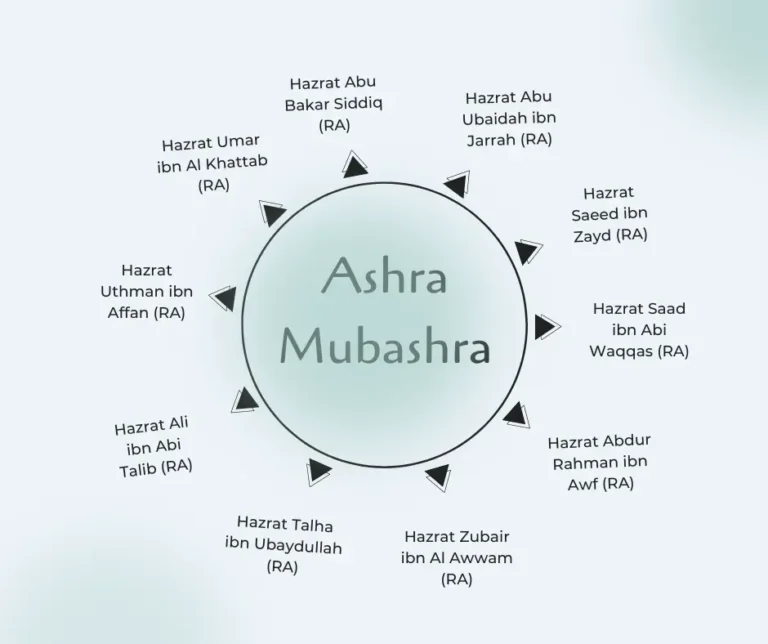
The Ashra Mubashra are the ten companions of Prophet Muhammad (SAW) promised paradise for their faith and deeds.
Feeling overwhelmed? These dua for difficult times from the Quran & Sunnah bring comfort, hope & relief in hardship.
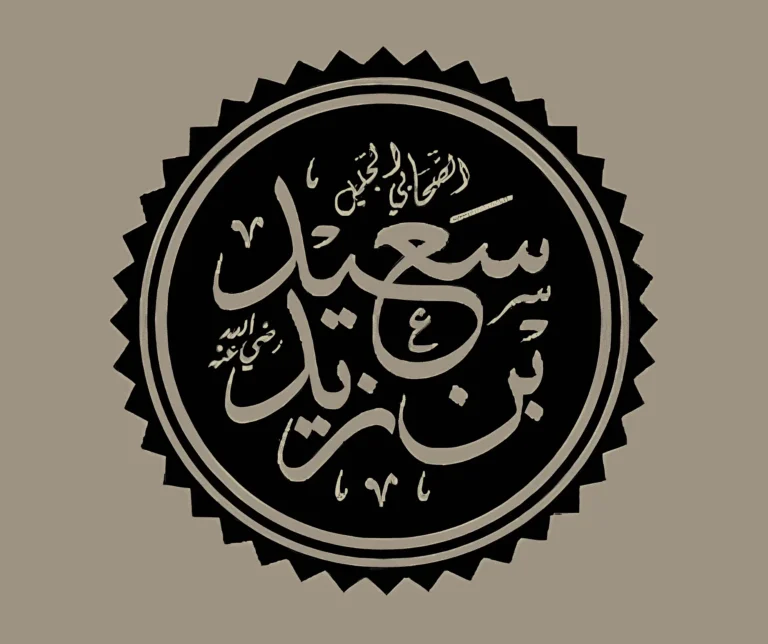
Discover Hazrat Sa’id ibn Zayd’s inspiring life, faith & sacrifices as a Sahabi. Click here and read his full story now!

Introduction Shaitan, also known as the devil, is considered a source of evil. Defeating Shaitan involves resisting temptations, performing good deeds, and finding strength in
Origin and Definition of Intention The word “Niyyah” is translated into English as “Intention“. It is not just a verbal statement but a silent prayer

The significance of Dawah in Islam, focusing on its methods, benefits, and the prophetic mission to guide others toward Tawhid with wisdom and compassion.

Patience in Islam Patience is one of the most valuable virtues in Islam. It is an essential part of being a good Muslim. However, patience

Eating is one of the most basic and essential human activities, but it can also be a source of spiritual and physical well-being if done
Nafs Meaning “Nafs” is an Arabic term that appears in the Quran 295 times. It means “self”, and it has been translated into other languages
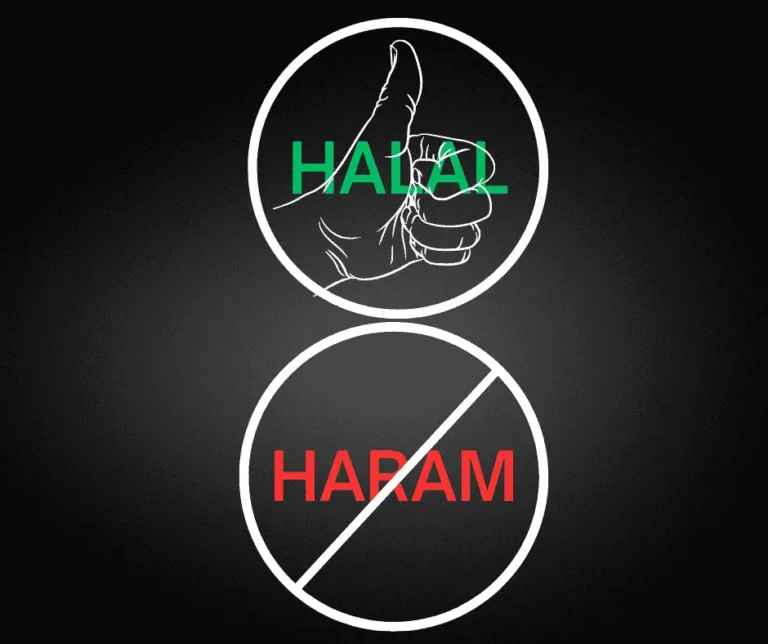
Islamic dietary laws define Halal (permissible) and Haram (forbidden) foods, emphasizing spiritual well-being and ethical consumption.
Introduction To learn about Islam is to explore one of the world’s largest and most influential religions. Islam shapes the lives of more than 1.9

Islam, one of the world’s largest religions, offers a nuanced view on music, reflecting its rich intellectual and cultural history. While the Quran does not explicitly prohibit music, verses such as Surah Luqman (31:6) caution against “idle talk” that diverts from Allah’s path, which some scholars interpret as music. Hadiths provide further guidance, with some discouraging musical instruments and others emphasizing context and intention.
Historical Islamic cultures, like those of the Abbasid era and Andalusia, embraced music as an art form, refining instruments like the oud and qanun and exploring music theory. Schools of thought differ in their rulings: some, like the Hanafi school, allow music under specific conditions, while others, like the Hanbali school, strongly oppose it. Contemporary scholars also remain divided, balancing moral and spiritual concerns with cultural practices.
Nasheeds, vocal compositions that praise Allah (SWT), offer a halal alternative to conventional music, while Sufi traditions use music for spiritual connection. Ultimately, the permissibility of music in Islam depends on its content, context, and its effect on one’s faith, emphasizing the importance of aligning musical practices with Islamic values.
Aqiqah in Islam is a cherished Sunnah, offering gratitude for a newborn’s blessing through sacrifice, charity, and community sharing, rooted in the teachings of Prophet Muhammad (PBUH).

The Battle of Khaybar in 628 CE was a significant conflict between Muslims and a Jewish tribe, involving strategic planning, military tactics, and the capture of well-defended fortresses.
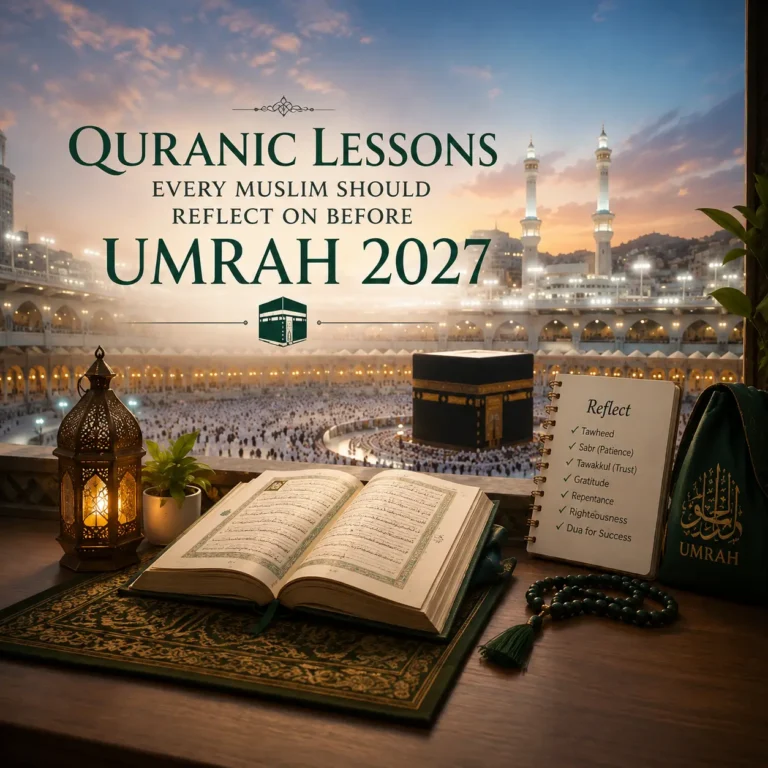
Umrah is a special journey for every Muslim which help you to create a strong bond with Allah SWT. You can also look for peace
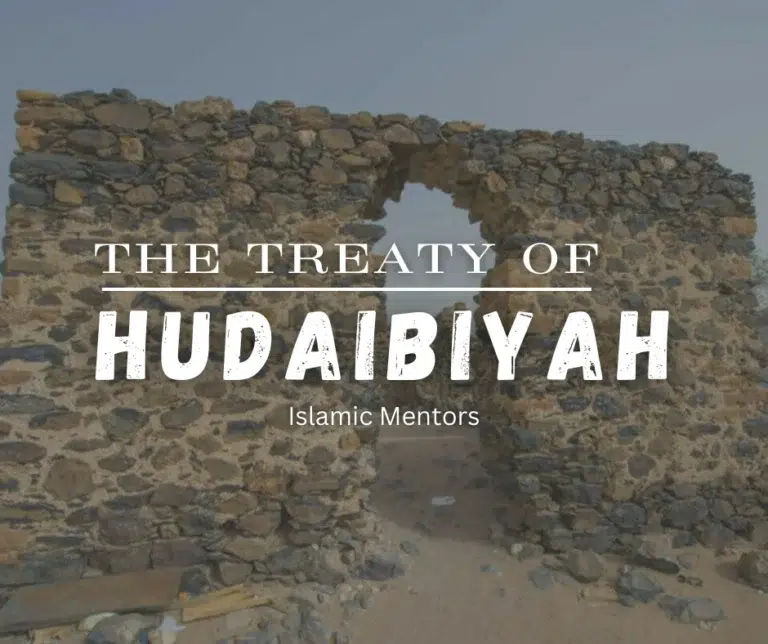
The Treaty of Hudaibiyah, signed in 628 CE (6 AD), was an agreement between the Muslims of Medina and the Quraysh crew of Mecca for a ten-year peace.
The Battle of Hunain, its significance, and its impact on the early Islamic state and community.
Martyrdom in Islam, known as Shahada, involves sacrificing one’s life for a noble cause or defending one’s faith. It is honorable act with great rewards in the afterlife.
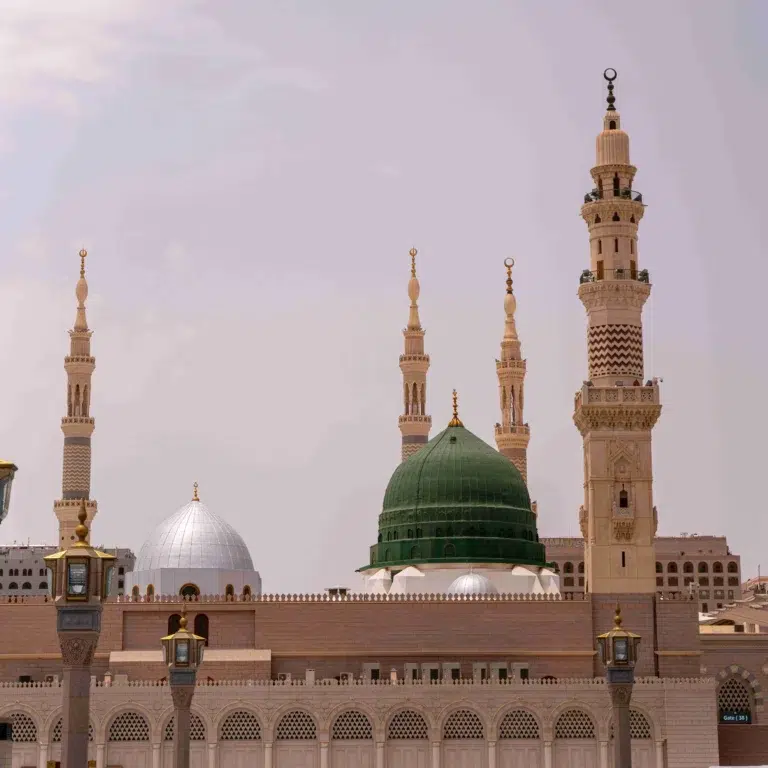
Incorporate daily Sunnah practices of the Prophet Muhammad (SAW) to bring blessings, peace, and fulfillment into your life, fostering spiritual, physical, and emotional well-being.

Concept of Bid’ah: The concept of Bid’ah in Islam refers to any innovation in religious belief, practice, or ritual that does not follow the authentic
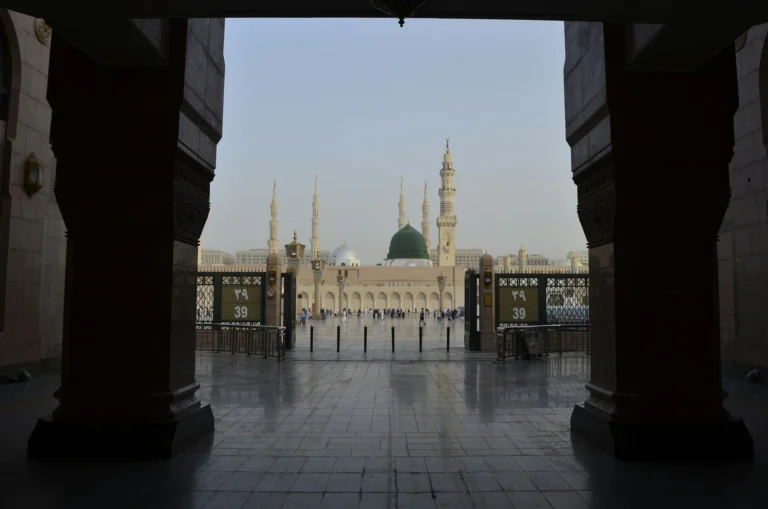
The Hijrah Madina was a historic migration undertaken by the Prophet (PBUH) and his Companions that holds great significance in the annals of Islamic history.
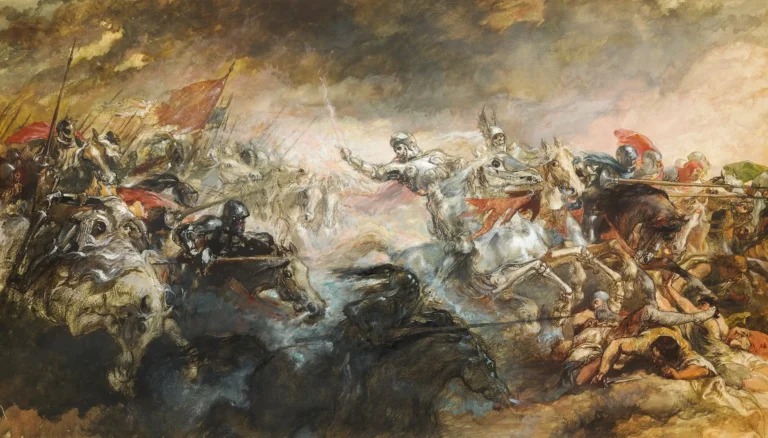
Introduction This is a journey through the history of Islam, which began in the Arabian Peninsula in the 7th century. The Prophet Muhammad received revelations
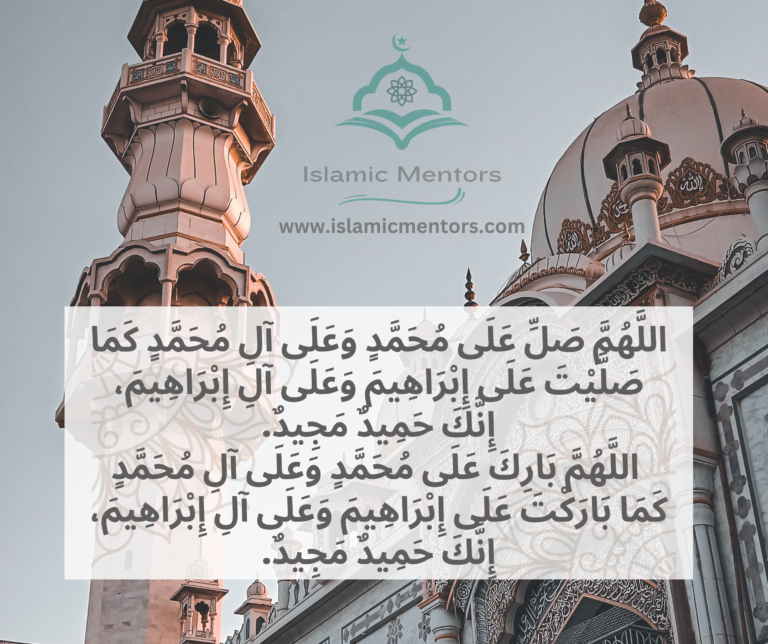
Reciting Durood Shareef, especially Darood Ibrahim, is highly significant in Islam, conveying blessings upon Prophet Muhammad (PBUH) and strengthening the bond with Allah Almighty. It brings inner peace, acceptance of supplications, and numerous rewards, embodying love and devotion to the Prophet (SAW).