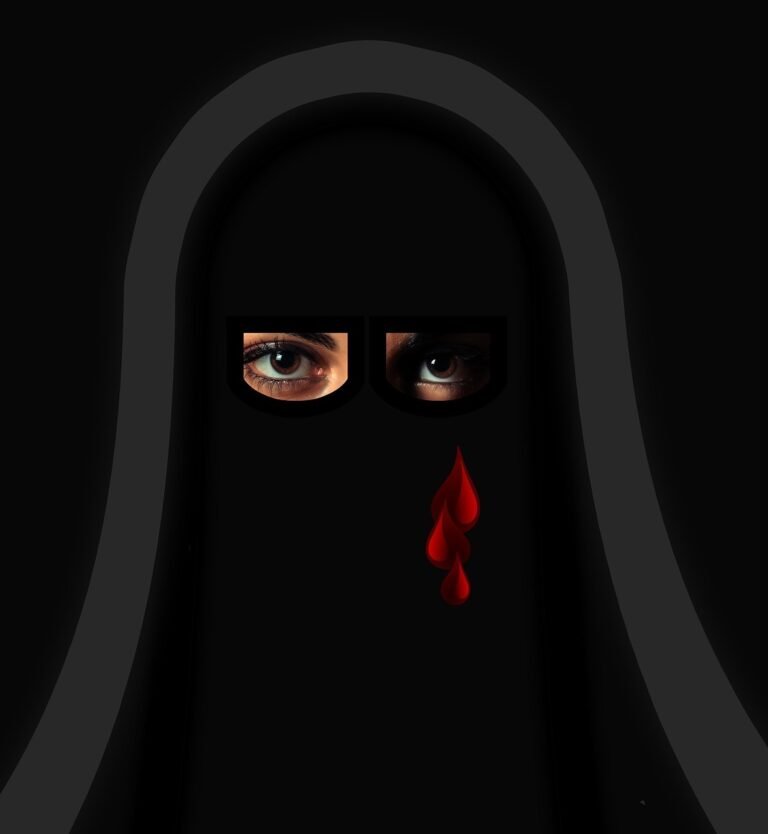
Imam Musa Al-Kazim Early Life: Born Between Two Holy Cities
Imam Musa Al-Kazim was born in the village of Abwaa, on the road between Mecca and Medina, in the year 128 AH (745 CE). He was only four years old when the Abbasid dynasty overthrew the Umayyads and came to power, a political earthquake that would define the world he grew up in.
His mother, Hamidah Al-Barbariyyah, was a woman of exceptional character. His father, Imam Ja’far Al-Sadiq (as), described her as “purified of all evils like a bar of gold,” a tribute that earned her the title Al-Musaffat (the Purified One). Growing up in such a household, the young Musa absorbed knowledge, ethics, and spiritual depth from his earliest years.
Even as a child, his intellectual gifts were remarkable. The great Sunni jurist Abu Hanifa Al-Nu’man, founder of the Hanafi school of thought, once posed to the young Imam a philosophical question that had divided scholars for generations: “To whom should a sin be attributed?” The child’s response was a masterclass in theological reasoning, working through every logical possibility before concluding that man alone bears responsibility for his own choices and therefore deserves both the reward and the consequence.
Quick Overview: Imam Musa Al-Kazim (AS) was the seventh Imam of the Ahlul Bayt, born on 7th Safar, 128 AH (745 CE) in Abwaa, between Mecca and Medina. Son of Imam Ja’far Al-Sadiq (AS), he led the Muslim community for 34 years under four Abbasid caliphs, known for his extraordinary patience, scholarship, and generosity. He was martyred by poison on 25th Rajab, 183 AH (799 CE) in Baghdad and is buried in Kadhimiyyah, Iraq, a shrine visited by millions worldwide.
Imam Musa Al-Kazim Titles: More Than Just Names
Al-Kazim: The One Who Suppresses Anger
This is the title by which he is most widely known. Throughout decades of persecution, wrongful imprisonment, and personal loss, Imam Musa never responded with rage or revenge. He swallowed his grief and answered oppression with patience. Sunni scholar Ibn Hajar Al-Haytami wrote:
Bab Al-Hawa’ij: The Door to Fulfilling Needs
This title came after his martyrdom. People who visited his shrine reported that sincere prayers made there were answered. The needy people of Madinah had already seen his kindness during his life. At night, he would quietly leave food and money at people’s doors, so they never knew who was helping them. After his death, this reputation of being an intercessor and fulfiller of needs only grew, and today his shrine in Kadhimiyyah attracts millions of visitors annually.
Abd Al-Salih: The Righteous Servant
In Madinah, he was known for praying through the night until sunrise, then prostrating until noon. His beard would become wet from his tears. This title reflects not power or lineage, but pure devotion.
The Imamate: 34 Years Under Four Caliphs
Imam Al-Kadhim assumed the responsibilities of Imamate in 148 AH following the martyrdom of his father, Imam Ja’far Al-Sadiq (AS). His Imamate spanned the reigns of:
- Al-Mansur (10 years), who showed public mildness but watched closely
- Al-Mahdi (10 years), who imprisoned him, then released him after a dream
- Al-Hadi (1 year), during whose reign the Fakh Revolution erupted
- Harun Al-Rashid (13 years), who ultimately had him killed
Despite these pressures, the Imam continued the intellectual tradition established by his father. More than 300 students studied directly under him in Madinah, and his teachings enriched Shia scholarship for generations to come.
What Did Both Shia and Sunni Scholars Say About Him?
Imam Musa Al-Kazim is a figure respected across Islamic traditions.
From the Shia perspective, he is the divinely appointed seventh Imam, infallible, divinely guided, and the true custodian of the Prophet’s (SAW) message. His Imamate is part of a chain that began with Imam Ali (AS) and continued through eleven successors.
From the Sunni perspective, he is recognized as one of the greatest scholars and worshippers of his generation. Ibn Hajar Al-Haytami, Al-Dhahabi, and other prominent Sunni scholars praised his knowledge, generosity, and moral excellence. The Hanafi founder Abu Hanifa himself praised the family of Ja’far Al-Sadiq (AS), and his own intellectual encounter with the young Musa is recorded in classical sources.
Both traditions agree: this was a man of extraordinary spiritual and moral stature.
The Fadak Exchange: A Lesson in What Justice Really Means
One of the most remarkable recorded moments of the Imam’s life was a conversation with Harun Al-Rashid about the land of Fadak, the estate usurped from Lady Fatima Al-Zahra (SA) after the Prophet’s (SAW) death.
Harun, perhaps expecting a modest answer, asked the Imam to define Fadak’s true boundaries. The Imam’s reply shook the caliph:
“The first boundary is Aden. The second is Samarqand. The third is Africa. The fourth is beyond the Khazar lands and Armenia.”
Refferance : The four boundaries you’ve quoted are the boundaries of Fadak as defined by Imam Mūsā al-Kāẓim in his exchange with Hārūn al-Rashīd.
As the Imam named each boundary, Harun grew more agitated. He finally exclaimed: “So nothing is left for us!”
The Imam was not describing a piece of farmland. He was describing the rightful scope of Islamic leadership, the full spiritual and political inheritance of the Prophet (SAW), which had been seized. Harun understood, and his fury confirmed it.
Imprisonment: When a Prison Becomes a Prayer Hall
Imam Musa Al-Kazim was imprisoned multiple times under Harun Al-Rashid. He passed through the prisons of Al-Fadhl ibn Al-Rabi, Al-Fadhl Al-Barmaki, Eisa ibn Ja’far, and finally Al-Sindi ibn Shahik, the most brutal of his jailers.
This statement is narrated by his student Ibn al-Qayyim al-Jawziyya in Al-Wabil al-Sayyib. Ibn al-Qayyim also records related remarks about Ibn Taymiyyah’s contentment during imprisonment, and similar passages appear in discussions of spiritual reliance upon God in Madarij al-Salikin.
Even his guards were affected. Historians record that many of the prison officials were reluctant to harm him, recognizing the holiness of the man in their custody. William MacGuckin de Slane’s 19th-century English translation of that work (Ibn Khallikan’s Biographical Dictionary, 4 vols., 1842–1871)
From inside his cell, he sent this message to Harun:
“With every passing day of oppression I experience, a day of your comfort will elapse. Then, we both will end to a never-ending day when those who stand on falsehood will lose.”
A Shrine, a City, a Living Tradition
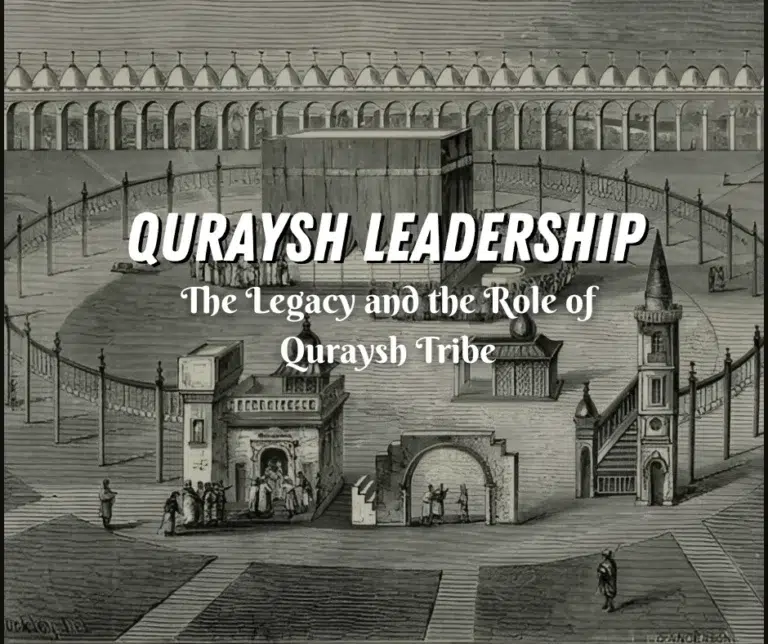
Imam Musa Al-Kadhim was buried in the Quraysh Cemetery in Baghdad. Over time, a town grew around his grave. That town is today Kadhimiyyah, a district of Baghdad, named after his most famous title.
His shrine today is one of the most visited holy sites in the Islamic world. It stands not merely as a monument to the past, but as a living institution, a place where people from across the globe come seeking answers, healing, and hope.
His intellectual legacy lives on through hundreds of recorded teachings, preserved in classical works like Al-Kafi, Bihar Al-Anwar, and Tuhaf Al-Uqool. His moral teachings on patience, generosity, the futility of worldly attachment, and the power of reason remain as relevant today as they were in 8th-century Baghdad.
| Detail | Information |
|---|---|
| Father | Imam Jafar al-Sadiq (AS), Sixth Imam |
| Mother | Hamida al-Barbariyya (Hamida al-Musaffa) |
| Grandfather | Imam Ja’far al-Sadiq (AS) |
| Great-Grandfather | Imam Zain ul Abideen (AS) |
| Great-Great-Grandfather | Imam Ali ibn Abi Talib (AS) |
| Ancestor | Prophet Muhammad (SAW) |
| Prophet | Muhammad (SAW) |
| Total Children | Approximately 37 (18 sons, 19 daughters) |
| Most Notable Son | Imam Jafar al-Sadiq (AS), Sixth Imam |
| Most Notable Daughter | Hazrat Fatima al-Masuma (AS) Shrine in Qom |
| Other Notable Son | Imam Ali al-Ridha (AS), Eighth Imam |
| Successor | Ali al-Rida (AS), Eighth Imam in Twelver Shia Islam |
| Grandson | Imam Muhammad al-Jawad (AS), Ninth Imam |
Famous Quotes of Imam Musa Al-Kadhim (AS)
- “Allah has two evidences against people: the apparent one is the messengers, prophets, and imams; the concealed one is the gift of the mind. This one I can give you with confidence“. It is part of Imam al-Kāẓim’s long advice to Hishām ibn al-Ḥakam on the intellect (ʿaql). It is recorded in [al-Kulaynī, al-Kāfī, Kitāb al-ʿAql wa’l-Jahl (the opening book of al-Kāfī), and in Ibn Shuʿba al-Ḥarrānī, Tuḥaf al-ʿUqūl.]
Conclusion
Imam Musa Al-Kazim (A.S) remains a timeless example of patience, worship, knowledge, and generosity. Despite facing political pressure, imprisonment, and oppression under the Abbasid rulers, he responded with forgiveness, wisdom, and devotion to Allah. His titles Al-Kazim and Bab Al-Hawa’ij reflect both his ability to control anger and his lasting spiritual connection with believers. His teachings, noble character, and blessed shrine in Kadhimiyyah continue to inspire millions, making his legacy a living source of faith, hope, and moral guidance.
Frequently Asked Questions
The title Al-Kadhim means “the one who restrains or suppresses anger.” He was given this title because of his extraordinary patience and forbearance in the face of persecution, wrongful imprisonment, and oppression by the Abbasid caliphs, particularly Harun Al-Rashid.
Bab Al-Hawa’ij means “The Door to Fulfilling Needs.” This title reflects the widespread belief among both Shia and many Sunni Muslims that sincere prayers and petitions made at or through the intercession of Imam Al-Kadhim are answered by Allah (SWT).
Scholars record between 33 and 60 children. The most prominent are Imam Ali Al-Ridha (AS), the eighth Imam buried in Mashhad, Iran, and Sayyida Fatima Al-Masuma (sa), buried in Qom, Iran.