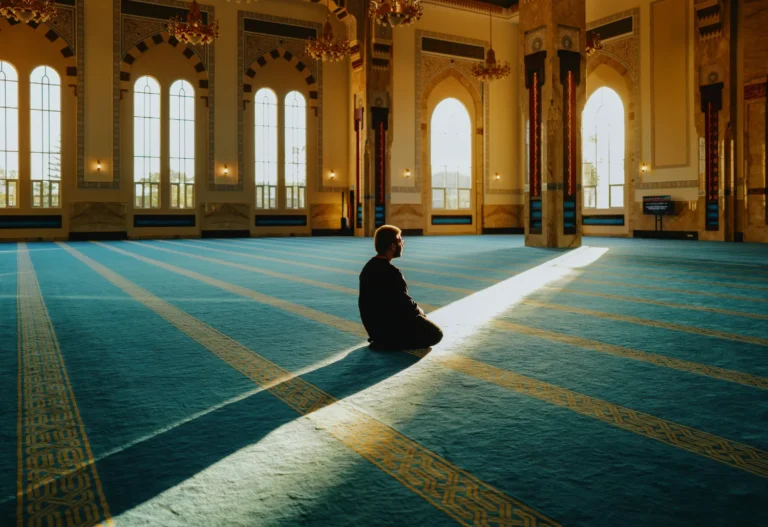
Islam
The Five Daily Prayers in Islam: Times, Rak’ahs and Why They Change
The window for each of the five daily prayers, the fard rak’ahs, where the schools draw the boundaries differently, and why prayer times vary by place.

The window for each of the five daily prayers, the fard rak’ahs, where the schools draw the boundaries differently, and why prayer times vary by place.

What a valid prayer requires: the seven conditions before it, the six fard acts inside it, the wajib acts, and why sources give different counts.

Salah is obligatory on every adult Muslim, five times a day. The Quran verses and authentic hadith on why it matters, what it asks of you, and what to do if you miss a prayer.

Introduction Islam is a religion that is based on five core beliefs and practices known as the “Arkn al-Islam” or the 5 Pillars of Islam.

What is Charity? “Charity, known as “Sadaqah,” has a great significance in Islam.” A general definition of ‘Islamic Charity’ is “a voluntary giving of money

Introductio Zakat, one of the Five Pillars of Islam, is a fundamental aspect of the faith that holds great significance for Muslims around the world.

Introduction Hajj is a sacred pilgrimage that holds great significance in the Islamic faith. It is one of the five pillars of Islam. Hajj is
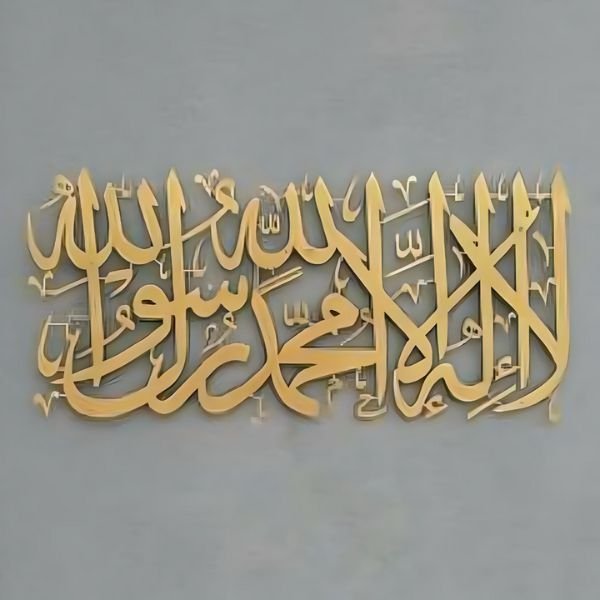
Tawheed Tawheed is the first pillar of Islam, derived from the Arabic word “Wahid” meaning “one.” It refers to the belief in the oneness of
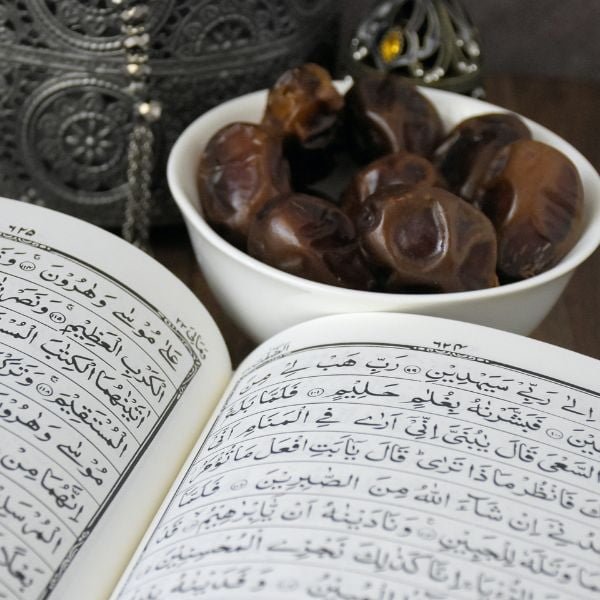
Fasting in Islam What is the third pillar of Islam and why is it so important? Fasting, or sawm in Arabic, is a spiritual practice