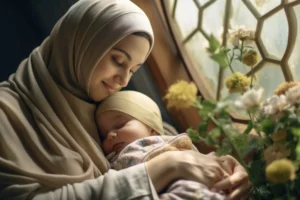
Introduction: The Essence of Work-Life Balance in Islam
Work and family both place real demands on a Muslim household, and many people feel pulled between them. Islam does not set the two against each other. The Quran tells believers to seek the Hereafter through what Allah has given them without forgetting their share of the world (28:77), and the Prophet ﷺ confirmed that a person’s family has a right over them (Sahih al-Bukhari 1968). This article explains what the sources say and offers practical habits for husbands, wives and parents.
Quick Overview: Islam treats work and family as duties that support each other. Earning a lawful living is encouraged, and the Prophet ﷺ confirmed that a person’s family has a right over them. A workable balance rests on mutual consultation, shared effort at home, fixed family time, and keeping prayer at the centre of the day. Details differ between households.
Islamic Teachings on Work-Life Harmony
Islamic teachings prioritize harmony between work, family, and spiritual obligations. Quranic verses and Hadiths guide fulfilling familial responsibilities while prioritizing worship and self-care.
Prophet Muhammad (SAW) once asked one of His companions, Hazrat Abdullah ibn Amr (RA): O Abdullah! Have I not been formed that you fast all day and stand in prayer all night?
He said, Yes, O Allah’s Messenger (SAW)!
Prophet Muhammad (SAW) said,
“Do not do that! Observe the fast sometimes and leave them (the fast) at other times; stand up for the prayer and sleep at night. Your body has a right over you, your eyes have a right over you, and your wife has a right over you.”
(Sahih al-Bukhari 5199)
This hadith reminds us to maintain balance by caring for our physical well-being while fulfilling responsibilities towards family and others.
Prophet Muhammad (saw) exemplifies the importance of balancing work, family, worship, and self-care. Despite his responsibilities as a leader, He (saw) actively participated in household chores, spent time with his family, and regularly engaged in worship. He (saw) would allocate specific times for different activities, ensuring that all were given their due attention. He (saw) encouraged moderation in all aspects of life, emphasizing the significance of fulfilling duties towards family, community, and Allah (swt).
What Does Islam Say About Work and Family?
Islam treats work and family as duties that support each other. Allah tells believers to seek the Hereafter through what He has given them without forgetting their share of the world (Quran 28:77), and to seek His bounty after the prayer (Quran 62:10). The Prophet ﷺ confirmed that a person’s family has a right over them (Sahih al-Bukhari 1968).
Common misconception: Balance does not mean an equal split of hours or identical roles. Customs about who earns, who cooks and who looks after children differ between families and cultures, and they are not all Islamic rules. The sources give principles: kindness, fairness, consultation and mercy. Spouses can agree on the details.
The Importance of Work-Life Balance in Islam
Work is an essential part of life in Islam. However, it should not be prioritized over everything else. The religion emphasizes the importance of maintaining a balance between work and personal life, as it aligns with its fundamental principles and values. This balance promotes individual well-being, strengthens family bonds, and enhances community cohesion.
Prioritizing family time and dedicating time to worship and self-reflection strengthens relationships, enhances communication, and provides inner peace, purpose, and connection with a higher power. It enables individuals to lead fulfilling lives characterized by harmony, happiness, and holistic well-being.
For Working Moms: Striking the Right Balance
Balancing work and family life can be challenging for a working mother. Juggling deadlines, meetings, and presentations with school runs, doctor’s appointments, and extracurricular activities can be overwhelming.
It is essential to prioritize your responsibilities, set realistic goals, and establish boundaries to ensure that you are not sacrificing your family time for work or vice versa. To reduce your workload, you might consider delegating some tasks, such as household chores or work assignments, to others.
Additionally, it is important to take care of yourself by getting enough rest, eating nutritious food, and engaging in activities that bring you joy and reduce stress. It is okay to ask for help and seek support from your family, friends, or colleagues when needed. Proper planning, organization, and self-care allow you to balance work and family and thrive as a working mom.
If you want more information about the rights and responsibilities of a wife, you can visit this blog: Rights and Responsibilities of a Wife in Islam
For Husbands and Fathers: Embracing Dual Roles
As a husband or father, balancing providing for your family and being present for them can be challenging. Assuming dual roles means finding a way to be a loving and supportive partner while being an involved and attentive parent.
Here are some ways to effectively balance work commitments while maintaining a strong presence at home:
Communicate and Decide Together
The Quran describes decisions about a child’s care as a matter of mutual consent and consultation between parents (Quran 2:233). The same approach works for work schedules, travel and childcare.
Share Responsibilities
It is essential to actively participate in parenting and household tasks while sharing responsibilities with your spouse. This means offering to help with childcare, meal preparation, household chores, and other tasks that can help alleviate the burden on your partner. Doing so can foster a sense of teamwork within the family and create a more harmonious environment.
Set Boundaries
Decide when work ends. A fixed time to switch off phones and be present with family keeps the home from becoming an afterthought.
Prioritize Self-Care
Prioritize self-care to maintain a healthy balance between work and life. Make time for relaxation and activities that refresh you physically, mentally, and spiritually.
By actively participating in parenting, supporting your spouse, and prioritizing family time despite work commitments, husbands and fathers can cultivate strong and nurturing relationships within the family while fulfilling their responsibilities as providers and caregivers.
Read More: Rights and Responsibilities of a Husband in Islam.
Nurturing Children: The Role of Balanced Parenting
Balanced parenting is essential for a child’s growth and development. It involves both parents participating in their children’s upbringing. When parents maintain a healthy work-life balance, they can be more present and engaged in their children’s lives, providing the emotional support and guidance necessary for their growth. Active involvement in their children’s education fosters a love for learning and encourages academic success.
Moreover, In Islamic upbringing, it is important for children to witness their faith being practiced by both parents daily. This dual influence can help instill strong moral values and a deep understanding of their cultural and religious identity. Ultimately, balanced parenting leads to the development of well-rounded individuals better equipped to navigate the complexities of life.
Practical Tips for Balancing Work and Family
| Habit | How to do it | Why it helps |
|---|---|---|
| Plan work around prayer | Put prayer times in your calendar and take short breaks for them | Keeps worship at the centre of the day (Quran 62:10) |
| One shared meal a day | Eat together without phones | Daily time with family |
| Weekly family check-in | 15 minutes to agree on the week’s schedule | Shared decisions, fewer arguments |
| Fixed switch-off time | Stop work messages at a set hour | Protects family time |
| One thing per week for yourself | Exercise, rest or a walk | Your body has a right over you (Sahih al-Bukhari 5199) |
| Review monthly | Ask what is working and what is not | Keeps the routine realistic |
For comprehensive information about parenting in Islam, you can visit the following blog:
- The Art of Parenting in Islam – Nurturing Young Souls
- Islamic Parenting Tips – Raising Children in the Light of Islam
Conclusion: Achieving Fulfillment in Both Worlds
Balancing work and family is an ongoing effort, not a fixed formula. The Quran and Sunnah give the principles: seek your livelihood, give your family and yourself their due, and decide matters together with kindness. Start with one change this week, such as a shared meal or a fixed switch-off time.
Explore more in our Family Life section.
Frequently Asked Question
Q1. Does saying “talaq” three times at once count as three divorces?
Scholars disagree. Most traditional schools count it as three, making the divorce immediately final. A significant alternative view held by Ibn Taymiyyah and increasingly accepted today treats it as only one pronouncement, leaving the door open for reconciliation.
3. Is triple talaq (in one sitting) allowed in Islam?
It’s widely considered sinful and against the Sunnah, even by scholars who accept it as legally valid. The Prophet SAWand the caliph Umar are both reported to have strongly discouraged this practice.
4. If I say “talaq” to my wife in anger, does it count?
This depends on the degree of anger. Some scholars hold that if the anger was so extreme the husband wasn’t in control of what he was saying, it may not count. The more common ruling is that anger alone doesn’t invalidate a clear pronouncement of divorce.
5. Can a wife divorce her husband in Islam?
Yes, through Khula, she can request a divorce, typically returning her mahr (dowry) or offering compensation. If the husband refuses without a valid reason, she can seek dissolution through an Islamic court (Faskh).
6. What is the difference between Talaq, Khula, and Faskh?
Talaq is husband-initiated. Khula is wife-initiated, usually with the husband’s consent and some financial compensation. Faskh is a judicial annulment ordered by an Islamic authority, often used when the husband won’t consent to Khula or when there’s serious harm involved.