Sadaqah
Sadaqah is a charity given voluntarily in order to please Allah. In Arabic, Sadaqah directly translates to ‘righteousness’ and originates from the root word ‘sidq’, which means sincerity. This essence implies that Sadaqah represents not only the sincerity of faith but also embodies righteous behavior, fostering a healthy and balanced society.
Quick Overview: Sadaqah has no fixed minimum or maximum and can be given to anyone, including non-Muslims, and even on behalf of a deceased loved one, whose reward reaches them according to the majority of scholars. It is valid in any form of money, time, or a simple act of kindness as long as the intention is sincere.
Read ou other blog Islamic Charity: Sadaqah, Zakat, and More.
The term used to describe an act of kindness given without expecting anything in return is Sadaqah. It can be as simple as sharing a smile with a stranger or offering information to someone seeking answers. Or it can involve more extended support, such as giving money to a homeless person on the street or dedicating time to help a friend or family member in need.
The reward of Sadaqah in the Quran
Allah Almighty Says:

Hadith on Sadaqah
Narrated Haritha bin Wahab:
I heard the Prophet (SAW) saying, “O people! Give in charity as a time will come upon you when a person will wander about with his object of charity and will not find anybody to accept it, and one (who will be requested to take it) will say, “If you had brought it yesterday, would have taken it, but today I am not in need of it.”
[Sahih al-Bukhari 1411]
Narrated `Adi bin Hatim heard the Prophet (SAW) saying:
“Save yourself from Hell-fire even by giving half a date-fruit in charity.”
[Sahih al-Bukhari 1417]
If you want to learn more about Sadaqah Jariyah read our other article: Acts of Sadaqah Jariyah in Islam.
Types of Sadaqah
There are several types and benefits of Sadaqah:
Sadaqah al-Fitr
This is a mandatory act of charity that must be given before the Eid prayers at the end of Ramadan. Individuals typically give it as food or money, aiming to purify the fast and provide for those in need.
Sadaqah al-Mal
This is a form of charity from one’s wealth, such as giving money or valuable possessions to those in need.
Sadaqah al-Ilm
This refers to the act of sharing knowledge or teaching others. It can include activities such as teaching others how to read or write.
Sadaqah through Time
Donating time and effort to help others, volunteering, or providing services for free are all forms of Sadaqah through one’s time.
Sadaqah through Dua (Supplication)
Praying for someone’s well-being, success, or relief from hardship is also seen as a form of Sadaqah.
Read About the Importance of Dua in Islam
What are the Goals of Sadaqah?
The goals of Sadaqah can vary depending on individual intentions and the specific type of Sadaqah being given. Here are some common goals:
- Giving Sadaqah is about doing something good to make Allah happy and blessing Him.
- Sadaqah helps purify one’s wealth. It’s like cleaning it from selfishness and being more willing to share.
- Sadaqah aims to alleviate poverty and aid those who are less fortunate.
- Sadaqah also serves as a means to achieve social welfare and community development.
- Believers attribute immense spiritual rewards to the act of giving Sadaqah.
How to give Sadaqah
To give Sadaqah, you can follow this step;
Intention
In giving Sadaqah, intended solely for the pleasure of Allah and to seek His pleasure.
For more information, visit our blog Importance of Making Sincre Intention.
Choose a Type of Sadaqah
There are various types of Sadaqah, including giving money, donating goods, volunteering your time, or offering your skills. Decide which kind you would like to give based on your means and the needs of those you want to help.
Identify Recipients
Determine the individuals or organizations that are most deserving of the Sadaqah. This can include people with low incomes, orphans, older people, refugees, and others in need.
Give in Secret
It is generally recommended to give Sadaqah privately without seeking recognition or praise. This ensures the sincerity of your intention and preserves the dignity of the recipients.
Follow Islamic Guidelines
When giving money as Sadaqah, giving at least 2.5% of your yearly savings as Zakat is a required form of Sadaqah for eligible Muslims. Apart from Zakat, you can also provide extra voluntary Sadaqah.
Benefits of Sadaqah
Allah promises great rewards for those who give Sadaqah sincerely and with a good heart. Several verses highlight the spiritual and worldly benefits of Sadaqah, such as:
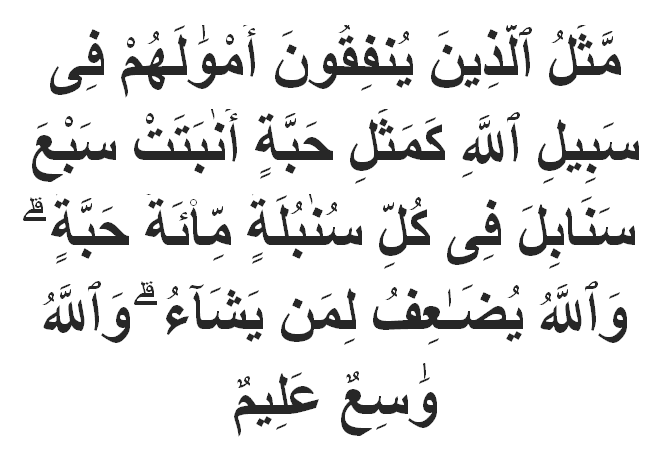
Increase in Wealth
Allah promises to increase the wealth of those who give charity:
Protection from Calamities
Sadaqah is believed to protect a person from calamities and misfortunes:
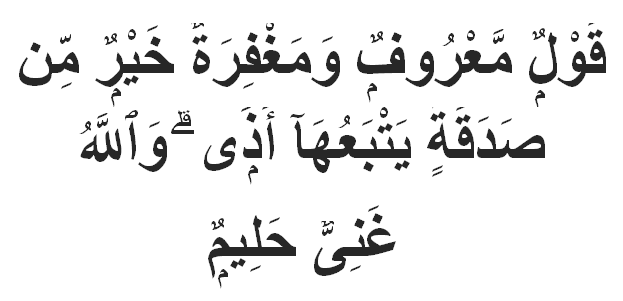
Blessings and Happiness
Blessings and happiness are associated with charity in this world and the hereafter.
Sadaqah is an Investment in this Life and the Hereafter
We invest in this life and the next in sha Allah by giving Sadaqah regularly.
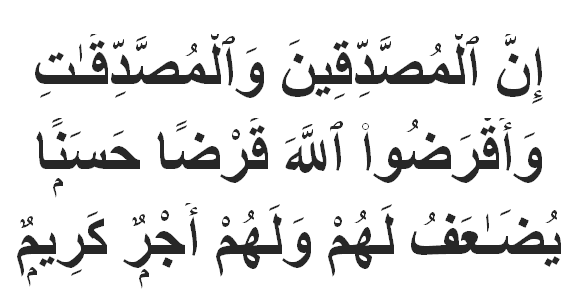
Difference between Zakat and Sadaqah
Islam allows individuals to voluntarily donate to charity at any time and in any amount through Sadaqah. It’s often an expression of gratitude, purity, or generosity.
On the other hand, Zakat is a fundamental part of Islam, one of the Five Pillars, and it means “that which purifies.” It’s a compulsory donation that comes with specific expectations and rules. By Islamic principles, individuals must contribute Zakat at a rate of 2.5% of their wealth after one year, directing these funds to specific categories of people in need.
Conclusion
In conclusion, Sadaqah is a powerful act of charity and generosity in Islam. It is a means of seeking Allah’s pleasure, purifying our wealth, and helping those in need. Sadaqah can take various forms, including giving money, donating goods, volunteering time, or offering skills. When giving Sadaqah, it is essential to have a sincere intention, choose deserving recipients, give secretly, and be mindful of timing. By following these steps and adhering to Islamic guidelines, we can positively impact the lives of others and fulfill our duty to help those in need.
Frequently Asked Question
No, Sadaqah has no fixed minimum or maximum, unlike Zakat, which is calculated at 2.5% of qualifying wealth above the Nisab. Even a very small act of sincere giving is valid and rewarded, so the amount matters less than the intention behind it.
Yes, the majority of scholars agree that Sadaqah given on behalf of a deceased Muslim reaches them and adds to their record of good deeds. This is supported by a hadith in which a companion asked the Prophet (SAW) whether charity would benefit his deceased mother, and he replied “Yes” (Sahih al-Bukhari 1388).
Scholars advise giving money gained through riba or other impermissible means away in charity rather than keeping or spending it personally, as a way of disposing of unlawful wealth. This differs from ordinary Sadaqah, since the giver does not expect spiritual reward for releasing haram funds only relief from carrying it.
Charity is described in hadith as extinguishing sin the way water extinguishes fire, reflecting its power to purify a person’s record of wrongdoing (Jami’ at-Tirmidhi 614). This is separate from formal repentance (tawbah), which remains necessary for major sins.
Yes, unlike Zakat, Sadaqah can be given to anyone in need regardless of their faith, since it is a voluntary act of kindness rather than a restricted religious obligation. Many Muslim-run charities accept and distribute Sadaqah to non-Muslim recipients as part of their humanitarian work.
Sadaqah can be given at any time, but scholars note that giving during Ramadan, on Fridays, or in times of hardship carries additional virtue. There is no obligation to wait for a specific occasion, as consistent giving throughout the year is equally valued.
Islam prioritises a person’s own essential needs and debts before voluntary charity, so Sadaqah should never come at the cost of one’s basic responsibilities. Once necessities are covered, even a small, sincere contribution is encouraged, but reducing or pausing voluntary giving during hardship is entirely permissible.
The Prophet (SAW) taught that the most beloved deeds to Allah are those done consistently, even if small (Sahih Muslim 782). This suggests that regular, sustainable giving can carry as much or more spiritual value as a single large donation given occasionally.